The decision between a robot vacuum and a regular vacuum might be tough. Both types of vacuums have distinct advantages, but they are best suited to various cleaning requirements. Traditional vacuums are recognized for their powerful suction and hands-on operation, whilst robot vacuums provide ease through automated cleaning. The main distinctions are related to performance, convenience, and smart features. In this post, we’ll compare robot and regular vacuums in each category to help you determine which is best for your house and lifestyle.
Performance: Cleaning Power and Efficiency
Suction Power Comparison
Traditional vacuums often have a stronger suction force, making them useful in picking up dirt and debris from a variety of surfaces. Their bigger motors and higher wattage help them to clean more thoroughly, particularly on carpets. Robot vacuums, on the other hand, have smaller motors; therefore, they often provide less suction power than traditional versions. However, many high-end robot vacuums employ powerful suction technology and specialized brushes to clean carpets and hard surfaces efficiently. While they may not be as powerful as traditional vacuums, they can nevertheless offer enough cleaning for routine maintenance.
Cleaning Coverage and Area
Traditional vacuum cleaners provide higher cleaning coverage, particularly in bigger spaces. Their lengthy cables and strong motors enable them to clean large areas fast and thoroughly. A classic vacuum allows you to easily alter the cleaning area by moving the unit manually. In contrast, robot vacuums are smaller and work autonomously, cleaning one area at a time. While robot vacuums can clean a whole home, they do so by following predetermined courses, which may take longer to finish. Many versions, however, are built to function in multi-room environments and may autonomously return to their charging station after the task is over.
Handling Pet Hair and Debris
Both regular and robotic vacuums can handle pet hair, but their efficacy varies. Traditional vacuums sometimes have specialist attachments, such as powered brushes, designed exclusively for removing pet hair from carpets, upholstery, and hard surfaces. These instruments can give a thorough cleaning, particularly for larger volumes of fur. Robot vacuums, while effective for everyday pet hair collecting, may struggle with significant shedding or thicker hair due to their lower suction force. Many robot vacuums, on the other hand, come with anti-tangle brushes that keep hair from wrapping around the rollers, making them perfect for families with less hair.
Convenience: Time-Saving and Ease of Use
Automation and Scheduling
Robot vacuums excel in automation and scheduling. Most robot vacuums include scheduling functions that enable them to clean your home automatically at predetermined intervals. You may schedule them to clean while you are away, saving you time and effort. Some versions also allow you to create separate cleaning schedules for various regions of your home. Traditional vacuums require hand cleaning every time, which can be time-consuming. While traditional vacuums may be more thorough in their cleaning, they lack the ease of automation that robot vacuums provide.
Manual vs. Automated Cleaning
The primary distinction between robot vacuums and regular vacuums is the amount of manual effort required. Traditional vacuums require continual user input since you must move the vacuum around the room, alter settings, and sometimes even change attachments depending on the cleaning task. Robot vacuums, on the other hand, function autonomously and require little involvement. Once set up, they clean themselves and return to the charging station when finished. This hands-off cleaning method is perfect for busy homes since it decreases the work required to keep your home clean when compared to standard vacuums that must be operated manually.
Storage and Maintenance
Robot vacuums are tiny and simple to store, making them perfect for small settings. They are meant to fit into tiny spaces, such as closets or corners, and are light enough to be easily handled. Traditional vacuums, particularly uprights or canisters, might occupy more room and require more work to store, especially in smaller dwellings. Robot vacuums often require less frequent maintenance. Brushes, filters, and sensors all require cleaning on a regular basis. Traditional vacuums, on the other hand, frequently require maintenance, such as bag changes, filter cleaning, and the periodic inspection of moving parts.
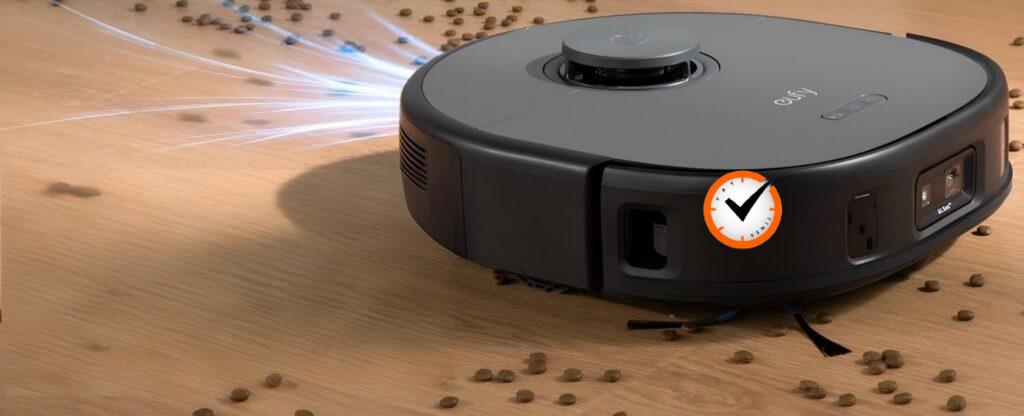
Smart Features: Robot Vacuums vs. Traditional Models
Smart Home Integration and Connectivity
Robot vacuums are intended to work smoothly with smart home devices, including Wi-Fi and voice control. Many models are compatible with Alexa, Google Assistant, or specialized applications, allowing you to manage your vacuum with voice commands or remotely from your smartphone. Some even provide bespoke cleaning modes or interaction with smart home routines. Traditional vacuums often lack these smart capabilities and must be operated manually. While some corded or cordless versions have stronger suction, they lack the convenience and automation that robot vacuums provide.
Navigation and Mapping Technology
Robot vacuums are fitted with superior navigation and mapping technologies, allowing them to clean enormous areas effectively. Many versions employ laser navigation or cameras to develop precise maps of your house, allowing the vacuum to clean more efficiently, avoid obstructions, and even detect no-go zones. This enables more efficient cleaning, reducing time wasted retracing. Traditional vacuums, on the other hand, require human interaction to maneuver. They may clean effectively in tiny places, but their absence of navigation technology requires you to move them about to guarantee full coverage, which can be less efficient than a robot vacuum’s automatic mapping.
Remote Control and Customization
Robot vacuums provide for more customisation thanks to remote control capabilities. You may use an app or remote to create cleaning schedules, modify suction power, and even control the vacuum’s movement from your phone or smart device. Many versions additionally allow you to designate cleaning zones or locations for special attention. In contrast, traditional vacuums require human operation. While some cordless versions have variable suction settings, they are not as easy to schedule or adjust as a robot vacuum. Robot vacuums are more adaptable and handy in modern houses since they can be controlled remotely and tailored to specific cleaning jobs.
Conclusion The choice between robot vacuums and conventional vacuums mostly depends on your cleaning requirements and lifestyle. Robot vacuums are excellent at automation, convenience, and intelligent features; they need little effort to operate. However, in terms of suction power and deep cleaning capabilities, conventional vacuums continue to surpass robot vacuums. A classic vacuum can be the best option if you want a more thorough cleaning and don’t mind the human labor involved. For those who prioritize time-saving, hands-off cleaning, and smart home integration, a robot vacuum offers superior convenience and advanced features. Consider your space, budget, and cleaning needs when making your decision.