Proper security camera placement is critical for establishing an efficient monitoring system that offers optimum safety. Whether you’re protecting your house or company, selecting the correct placements, heights, and angles guarantees that your cameras catch the footage needed for monitoring and evidence. Effective placement decreases blind spots, lowers the chance of tampering, and increases the overall efficacy of your security system. This tutorial goes over best practices for camera placement, including recommendations on the most important regions to monitor, how to prevent common mistakes, and how to modify height and angles for optimal coverage.
Best Locations for Security Camera Placement
Outdoors: Entry Points and Perimeter
Outdoor security cameras should be installed to monitor crucial locations such as entrance points and the perimeter of your property. Front and rear doors, driveways, and garages are the most typical entrance points that require monitoring. Make sure your cameras are focused on these regions so that anyone approaching your property may be seen clearly. Furthermore, installing cameras around the perimeter helps to monitor the entire security of the property by covering gates, fences, and walkways. To avoid manipulation or vandalism, don’t put cameras too close to these entrance points. The purpose is to have a clear film of persons and vehicles entering and exiting the premises; thus, these places are prioritized for camera deployment.
Indoors: Key Areas to Monitor
Indoors, cameras should be installed in critical places that require monitoring, such as corridors, entryways, and communal spaces. The front entrance or foyer is especially essential since it is the initial point of contact for guests and possible invaders. Staircases, major living areas, and corridors leading to bedrooms or private places should all be considered. Security cameras should not be put in bedrooms or bathrooms for privacy concerns. It is also critical to monitor high-traffic areas where valuables or gadgets are stored. By carefully putting cameras in these spots, you can ensure thorough surveillance of your home’s interior while maintaining privacy and coverage.
Height and Angle Considerations for Optimal View
Choosing the Right Height for Different Areas
Choosing the appropriate height for your security cameras is critical to ensure maximum coverage. Outdoor cameras should be placed high enough to prevent tampering and low enough to capture distinct face characteristics and details of cars or persons. A decent rule of thumb is to position outside cameras 8-10 feet above ground level. Indoor cameras should be mounted at a height that allows them to watch activities in the room while reducing obstacles. Mounting cameras at a height of 6-8 feet is ideal for recording faces and movements in locations such as entryways and stairs. Ensure that the height provides for ample coverage and avoids the possibility of impediments impeding the view.
Adjusting Angles for Wider Coverage
Proper camera angles are crucial for increasing the efficacy of any security system. When placing cameras, set the angle to cover the largest area feasible while minimizing blind spots. Cameras, for example, can be placed in room corners or strategically near doors to offer a larger field of vision. Outdoor cameras should be positioned to record routes leading to entrance points, including sidewalks, driveways, and gates. Some cameras include adjustable pans and tilts, allowing you to modify the viewing angle as needed. If feasible, test several angles during installation to verify that the camera captures the whole perimeter and important portions of the facility.
Preventing Glare and Obstructions
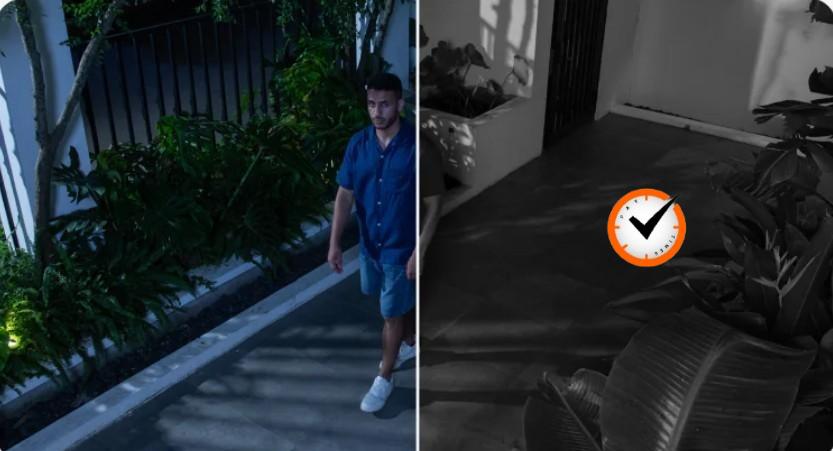
Glare and obstructions can severely hinder the effectiveness of security cameras. Place cameras away from bright artificial lights and direct sunshine to prevent glare. Particularly during the day, the glare from various light sources can obscure crucial details and lower the quality of the video. Additionally, look for any physical barriers that can hinder the camera’s vision, such as plants, trees, or buildings. Make sure that exterior cameras have an unhindered view of access points and paths by trimming any vegetation that might block the camera’s line of sight. By avoiding glare and obstacles, you can be confident that your camera will always produce dependable, clear footage.
Conclusion
Effective security camera placement is critical for building a dependable video system that enhances home or business protection. Cameras should be installed in strategic locations such as entry and exit points, high-traffic areas, driveways, and along the property perimeter to ensure comprehensive coverage. It’s also important to adjust camera height and viewing angles to capture clear images while minimizing blind spots, glare, and obstructions like walls or trees. Proper lighting conditions should be considered to improve image quality day and night. Avoiding common mistakes—such as placing cameras too high, too low, or with overlapping views—helps maximize system efficiency. With thoughtful planning and precise placement, security cameras provide reliable monitoring, deter potential threats, and deliver lasting peace of mind.