Continuous drum rotation is essential for keeping concrete fresh, workable, and ready for pouring. Without movement, the mix separates, thickens, and hardens, making it unusable by the time it reaches the site. The rotating drum keeps the materials blended and stable throughout transport. This steady motion protects concrete quality, supports efficient job-site delivery, and prevents costly delays caused by spoiled batches.
Maintaining Concrete Consistency During Transport
Preventing Separation of Aggregate and Cement Paste
Concrete naturally begins to separate when left still, with heavier aggregates settling at the bottom and lighter cement paste rising to the top. Continuous rotation counters this separation by constantly lifting and folding the mix. This movement ensures all materials stay evenly combined. Preventing separation preserves concrete strength and workability, helping crews achieve reliable performance during structural and finishing tasks.
Keeping the Mix Uniform Through Constant Movement
Uniformity is critical for concrete strength and durability. The drum’s rotation maintains a consistent blend by moving the mix in a steady, controlled pattern. This repeated motion ensures every part of the load follows the same mixing cycle. A uniform mix reduces weak spots and improves curing performance. This stability helps builders create strong, dependable structures that meet project specifications.
Controlling Slump Levels Until Delivery Begins
Concrete slump determines how easily the mix flows during pouring. Continuous rotation helps maintain the desired slump by preventing stiffening or excessive thickening. Operators can adjust drum speed to stabilize the mix until it reaches the site. Keeping slump consistent supports smoother placement and reduces the chance of defects. This control ensures the concrete remains workable for the entire delivery process.
Preventing Premature Setting and Hardening
Slowing Down Hydration Through Steady Drum Motion
Concrete begins hydrating as soon as water mixes with cement, starting the setting process. Drum rotation slows this reaction by keeping the particles in motion, reducing heat concentration and delaying hardening. This extended working time ensures the load stays usable throughout transport. Maintaining this delay allows crews to pour concrete smoothly without rushing or compromising quality due to premature setting.
Avoiding Material Sticking to Drum Surfaces
Without rotation, concrete begins sticking to the drum’s interior walls, creating buildup that reduces capacity and affects mixing performance. Continuous movement prevents material from settling or attaching to surfaces. This protects the drum from uneven wear and keeps the mix circulating freely. Preventing buildup also supports easier cleaning and reduces the risk of hardened concrete damaging internal components.
Ensuring Concrete Stays Workable for On-Site Pouring
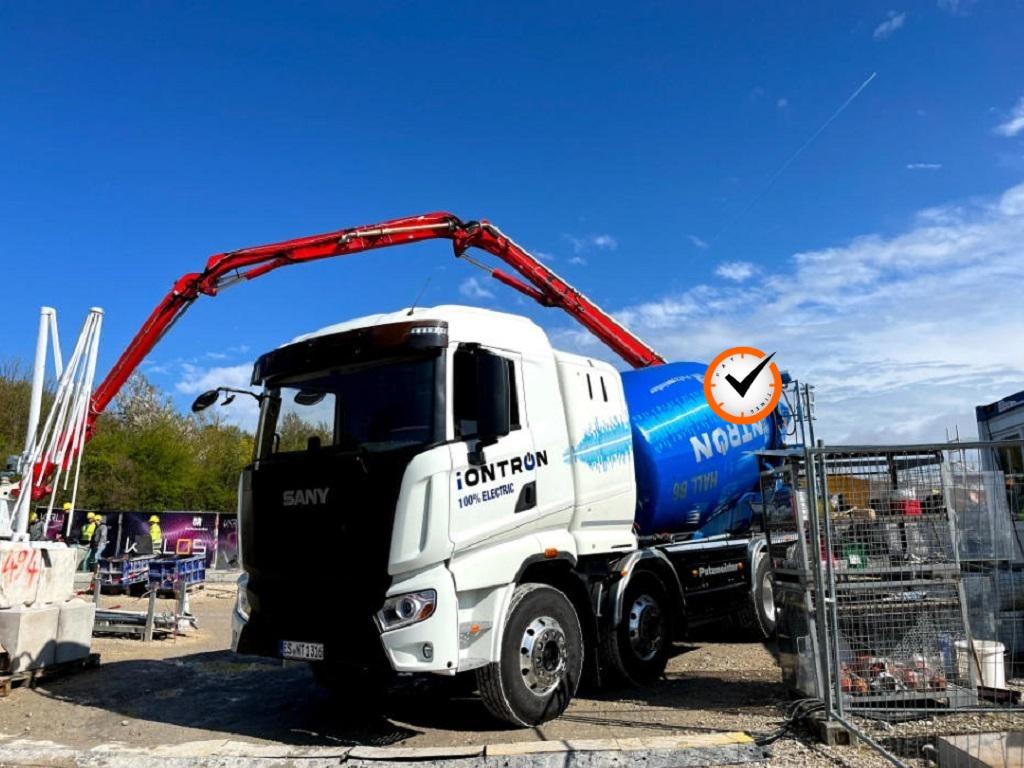
Workability determines how easily the mix can be placed, shaped, and finished. Continuous rotation preserves workability by maintaining moisture distribution and preventing stiffening. When the truck arrives on site, the concrete remains smooth and ready for immediate use. This consistency supports fast placement, reduces labor strain, and helps crews avoid delays caused by re-mixing or adjusting a hardened load.
Supporting Safe and Efficient Job Site Operations
Delivering Concrete at the Correct Flowability
Proper flowability ensures concrete moves smoothly through chutes or pump lines. Continuous rotation keeps the mix at the correct consistency, preventing clogs or sudden flow issues. This supports safe and steady placement, especially during large or complex pours. When the truck delivers concrete with predictable flow, crews maintain better control and avoid accidents caused by uneven or sudden discharge.
Reducing Wastage Caused by Improper Mixing
Poorly mixed concrete leads to wasted material and rejected batches. Continuous drum rotation ensures every part of the load stays blended, preventing weak or inconsistent sections. This reduces the risk of disposal and reordering, saving time and money. Reliable mixing also supports quality assurance, ensuring every delivery meets project standards and minimizes costly mistakes during construction.
Improving Pour Accuracy With Predictable Mix Quality
Accurate pouring depends on consistent mix quality. Continuous rotation produces predictable behavior during placement, allowing operators to guide the flow precisely. This improves accuracy around forms and reinforcement. When the mix behaves consistently, workers perform cleaner pours with fewer corrections. This reliability supports better finishing results and reduces the need for rework caused by inconsistent concrete performance.
Enhancing Equipment Longevity and Performance
Minimising Stress on Mixing Blades and Components
Continuous rotation spreads mechanical stress evenly across blades, brackets, and internal surfaces. Frequent stopping and starting causes sudden strain, increasing wear. Smooth, uninterrupted movement reduces shock loads and keeps components functioning longer. This extends the lifespan of critical drum parts and reduces the frequency of repairs. Maintaining steady rotation supports long-term equipment health and reliable daily performance.
Reducing the Risk of Drum Blockage or Damage
Stopped drums allow concrete to settle and harden, creating blockages that damage internal mechanisms. Continuous rotation prevents thickening and keeps materials from forming stubborn clusters. This reduces the risk of breakdowns and costly downtime. Keeping the drum moving ensures the concrete stays loose and prevents stress on the motor, gears, and blades that may lead to structural damage over time.
Lowering Maintenance Costs Through Proper Operation
Proper drum rotation helps minimize repair needs by preventing buildup, reducing wear, and avoiding hardened deposits inside the drum. This lowers maintenance expenses and keeps the truck available for more deliveries. Operators spend less time on cleaning and corrective work, improving fleet efficiency. Continuous rotation supports better long-term performance and ensures the mixer truck remains a reliable asset for concrete production.
Conclusion
Continuous drum rotation protects concrete quality, prevents hardening, and ensures smooth and efficient delivery. By keeping the mix uniform and delaying setting, mixer trucks help crews work safely and quickly on site. Steady rotation also supports equipment longevity and reduces maintenance costs. With proper operation, the cement mixer truck delivers consistent performance and maintains reliable output across every construction project.