Choosing the right mobile crane capacity helps ensure safe and efficient lifting throughout your project. The correct machine prevents delays, reduces risk, and supports a smooth workflow. Contractors must consider load weight, site limits, ground conditions, and lift frequency before selecting a crane. Careful planning helps match capacity to real demands, avoiding costly errors and keeping each lift controlled.
Understanding Load Requirements on Site
Identifying Maximum Load Weight for Each Lift
The first step is to determine the heaviest load the crane must lift. Review material specifications and confirm actual weights rather than estimates. Heavy components like steel beams, HVAC units, or concrete panels require accurate numbers. Knowing the maximum load ensures the crane can safely handle peak demands. Proper weight analysis reduces risk and helps teams choose a crane that supports every planned lift.
Considering Load Shape, Balance, and Rigging Needs
Load shape and balance affect how much capacity the crane must provide. Odd-shaped or uneven items may shift during lifting, requiring stronger rigging and added safety margins. Consider whether the load needs spreader bars, specialized slings, or lifting frames. These elements increase weight and change the center of gravity. Planning for these needs ensures stable lifts and prevents unexpected strain during movement.
Evaluating Material Movement Frequency and Distance
Frequent or long-distance lifts require a crane that maintains consistent strength across repeated cycles. A crane working all day must handle continuous movement without losing performance. Consider how often loads travel across the site and how far they need to reach. Higher capacity supports longer booms and wider working radii. This planning helps crews avoid delays and ensures reliable handling for repetitive tasks.
Assessing Site Conditions and Work Environment
Measuring Working Radius and Required Boom Reach
Working radius and boom reach play key roles in selecting crane capacity. As the boom extends, lifting ability decreases, so contractors must measure distances accurately. Identify the farthest point where materials must be placed. Review how height and radius change load charts. Choosing a crane that maintains power at full extension helps prevent overload risks and improves precision during complex placements.
Analyzing Ground Stability and Setup Space
Ground stability affects the crane’s ability to lift safely. Soft soil, slopes, or uneven surfaces may limit capacity or require mats and stabilizers. Review available setup space to determine whether outriggers can fully extend. If space is tight, a different model may be needed. Proper assessment helps avoid tipping hazards and ensures the crane operates within safe limits on your site.
Checking Obstructions and Height Restrictions
Identify obstacles such as overhead power lines, nearby buildings, or tree canopies. Height limits may affect boom angle or lifting path, requiring a crane with a stronger capacity at shorter radii. Understanding these restrictions helps operators plan safe routes and avoid collisions. A well-matched crane adapts to the environment while providing enough strength to complete each lift without added complications.
Matching Crane Capacity to Project Demands
Comparing Lifting Charts Across Multiple Crane Types
Review lifting charts from several crane models to compare strengths at various heights and radii. Each crane design performs differently under load. Focus on real working conditions rather than ideal scenarios. Matching chart values with site measurements helps identify the crane with the most reliable performance. This comparison ensures you select a machine built for your exact project needs.
Factoring in Weather, Slope, and Operational Limits
Wind, rain, or uneven slopes can reduce crane capacity and affect stability. Strong winds limit boom extension, while slopes may require derating the crane. Consider how the weather affects your project timeline and lifting plan. Operators must follow safety rules that adjust capacity during challenging conditions. Planning for these variables ensures the crane can perform safely throughout changing environments.
Choosing Capacity That Allows Safe Working Margins
Always choose a crane with extra capacity beyond the heaviest planned lift. Safe working margins account for unexpected shifts, rigging adjustments, or minor miscalculations. A crane operating near maximum limit poses safety risks and slows productivity. Added capacity supports steady control and smoother lifting. This approach protects workers and ensures equipment performs reliably under both routine and demanding conditions.
Planning for Efficiency and Cost Control
Balancing Crane Size With Budget Expectations
Selecting a crane requires balancing performance with budget. Larger cranes provide stronger lifting power but cost more to rent or operate. Avoid choosing a machine that exceeds project needs, yet ensure it offers enough strength for safe operation. Reviewing lift data and cost options helps match capacity with financial goals. This balance supports safe work without unnecessary expenses.
Considering Transport, Setup Time, and Mobility
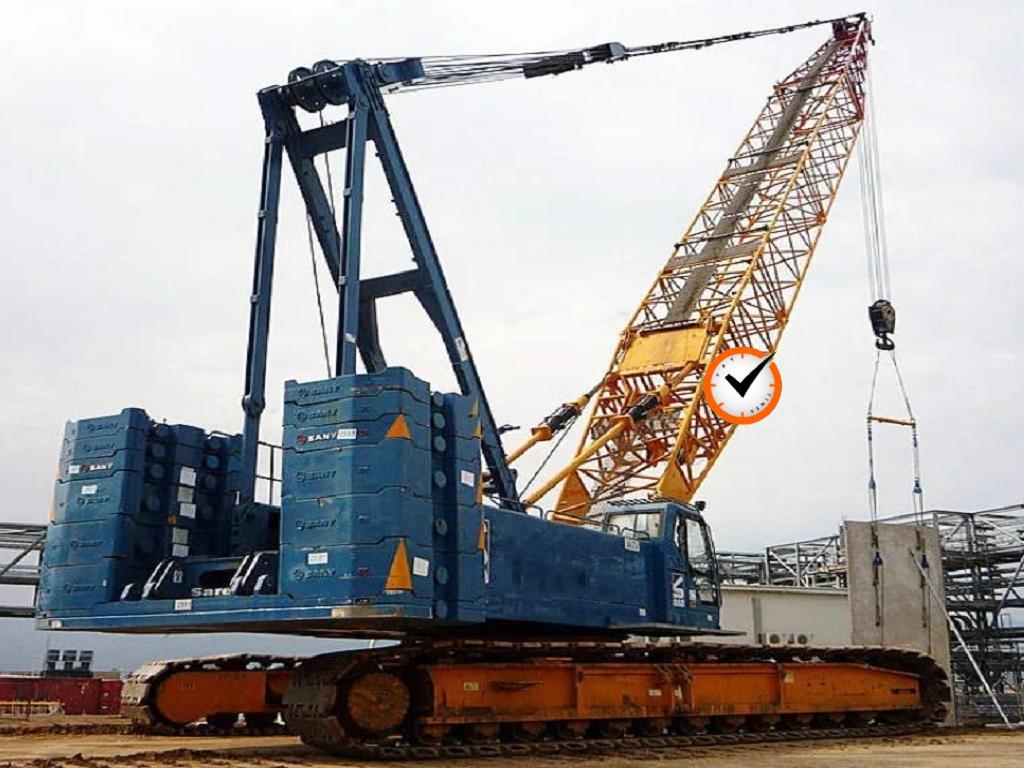
Transport and setup requirements influence overall project efficiency. Larger cranes may need escort vehicles, permits, or extended assembly time. Mobile cranes offer faster movement and help crews adapt quickly to new tasks. Consider how often the crane must relocate across the site. Choosing a model with practical mobility reduces downtime, lowers costs, and improves overall project flow.
Avoiding Overcapacity and Undercapacity Risks
Overcapacity leads to higher rental and operating costs, while undercapacity creates safety hazards and delays. A crane that is too small may struggle to complete lifts, forcing schedule changes. One that is too large may complicate transport or require unnecessary space. Choosing the right capacity avoids both issues and ensures efficient performance. Careful evaluation protects budgets and supports stable lifting operations.
Conclusion
Choosing the right mobile crane crane capacity starts with understanding load needs, site limits, and safety requirements. Careful planning helps teams match power, reach, and stability to project demands. The right crane supports efficient lifting, reduces risk, and saves money. By evaluating conditions and comparing options, contractors can select a crane that delivers safe, reliable, and cost-effective performance across every lift.