Purchasing a luxury lodge is not simply a purchase of the property, but one of the most significant lifestyle and financial choices. Luxury lodges are a combination of comfort, location, and exclusivity, whether you are looking to take a peaceful holiday retreat, a rental-focused asset, or a permanent escape from urban living.
Meanwhile, the decision has complexities, and without clear guidance, it becomes difficult to estimate ownership conditions, operational costs, and long-term suitability. The key is to understand the factors that can influence enjoyment and value.
Comparing the land tenure, site fees, park rules, location suitability, and resale conditions instead of basing on the appearance will assist you in making decisions that meet your lifestyle and financial expectations. This also brings about a decrease in risk and helps in making a more certain decision.
This guide explains the main factors that you should evaluate before investing in luxury lodges on sale, so that you can proceed with clarity and confidence.
1. Understanding Lodge Marketplaces and Park Matching
As you start to search for lodge ownership, the way you search matters as much as what you buy. Rather than go through each park site separately to find what each one has to offer, organized lodge marketplaces can aid you in comparing by location, the type of lodge, and even the park setting.
This bigger perspective can make you see the comparison of various offerings and only then commit yourself to a specific direction. When browsing luxury lodges for sale, a curated marketplace experience can assist you in knowing what is offered in various areas and park styles.
You can make comparisons based on the size of the lodge, the setting, the park environment, and the availability of other amenities in the same place. Such a framework will perhaps minimize decision fatigue and assist you in concentrating on lodges accommodating your requirements instead of narrowing your options too early.
2. Evaluating Location Beyond Visual Appeal
Location is a strong motivator of the initial attraction, but it has a much deeper influence than views. A lodge within a distant wood park would bring a different experience than one close to the seashores or a tourist town.
What contributes to your enjoyment is how easily you access the location, the level of busyness of the area during the peak seasons, and the activities you can do around. You may want to consider the travel distance, the accessibility of roads, and the closeness to essential services.
Certain destinations are better suited to the frequent stay, while others make more sense for longer visits. The comfort of the lodge throughout the year and its practicality may also depend on climate, seasonal traffic, and local infrastructure.
3. Assessing Build Quality and Layout Practicality
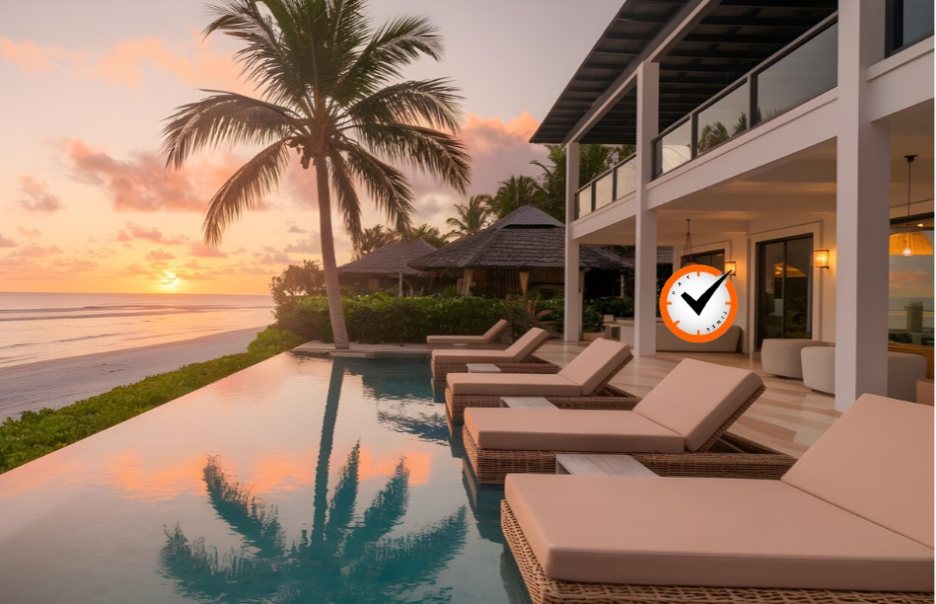
The interiors of luxury lodges are a major distinctive feature; however, the design must justify itself, not just the look. Open layouts may seem roomy; however, storage, insulation, and room flow are also important. The materials, fittings, and finishes can have an impact on durability and maintenance in the long run.
It also helps to take a closer look at the way the lodge manages heating, ventilation, and natural light. Decking and other outdoor spaces can be considered as areas in which you can expand your living space, but orientation and privacy may influence how often you use them. What appears to be an impressive lodge when looking at it may feel different when it is occupied, and therefore, a viable layout analysis will always be crucial.
4. Understanding Ownership Terms and Ongoing Costs
Different parks have different ownership structures, and knowing this early on can save one from confusion in the future. Most lodges are built on leased land instead of freehold land, and this implies that the site arrangements determine how you utilize the property. These contracts may define the duration of tenure, periods of use, and park obligations.
Ongoing costs may include site fees, utilities, insurance, and general upkeep. Some parks include services such as grounds maintenance within their fees, while others charge separately. Reviewing these costs in detail helps you evaluate affordability beyond the initial purchase price.
5. Considering Usage Rules and Flexibility
Each park operates under specific rules that shape how lodges are used and occupied. Some parks permit year-round access, while others apply seasonal restrictions that limit stays to certain months. Rules can also influence whether you rent out the lodge, host paying guests, or allow independent use by friends and family.
Understanding these conditions helps align the lodge with your intended use and expectations. If flexibility matters, reviewing park guidelines in detail helps identify limits around occupancy, letting arrangements, and duration of stays. This clarity reduces the risk of future restrictions and ensures the lodge supports how you plan to use it over time.
6. Thinking About Resale and Long-Term Suitability
While immediate enjoyment often shapes purchase decisions, long-term suitability deserves equal attention. Over time, changes in lifestyle, financial priorities, or usage patterns can influence whether a lodge continues to meet your needs.
What feels ideal for occasional breaks may not suit extended stays or reduced travel flexibility later on. Resale considerations often relate to park reputation, location appeal, lodge condition, and remaining tenure length.
Layout flexibility, maintenance standards, and site policies can also affect future interest. Well-maintained lodges in established parks may attract a wider range of buyers, whereas highly specific designs or remote settings can narrow appeal. Thinking ahead supports a choice that remains practical beyond your current plans
7. Considering AI in Real Estate When Buying Luxury Lodges
AI in real estate is becoming increasingly important for luxury lodge buyers. Lodges equipped with smart features such as automated heating, energy-efficient monitoring, and remote security make daily living easier and reduce ongoing costs. Moreover, AI tools can help predict maintenance needs and optimize property value, which can improve long-term resale potential. Considering lodges with AI-enabled systems ensures you invest in a property that is convenient, efficient, and future-ready.
Bottomline
Buying a luxury lodge involves more than selecting an attractive property. By understanding how marketplaces work, assessing location realistically, reviewing build quality, clarifying ownership terms, respecting park rules, and considering long-term suitability, you can approach the process with greater control.
Careful evaluation at each stage supports informed decisions and helps ensure the lodge fits both your expectations and circumstances over time.