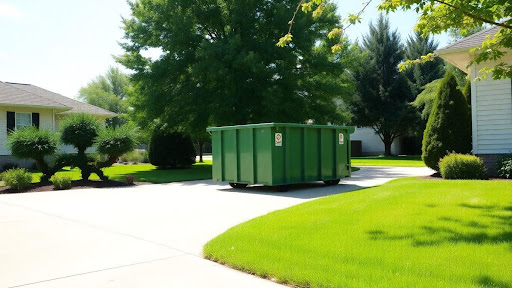
Getting a dumpster delivered to your home in Leander might seem simple, but a little prep work goes a long way. Think of it like getting ready for a big delivery – you want to make sure everything is clear and ready. This helps avoid any problems, like damage to your property or extra fees. Proper preparation for your Leander trash container rental means a smoother process for everyone involved.
Clearing the Designated Drop-Off Area
Before the truck even pulls up, take a good look at where you want the dumpster to go. Clear the entire area of anything that could get in the way. This includes cars, bikes, lawn equipment, toys, or even just piles of yard waste. The delivery driver needs a clear path to maneuver the truck and place the dumpster exactly where you need it. Imagine trying to park your car in a crowded garage; it’s much harder when things are scattered everywhere. A clean drop-off zone is the first step to a successful Leander trash container rental.
Ensuring Adequate Access for Delivery Trucks
Delivery trucks are big, and they need space to operate. Think about the path the truck will take from the street to your chosen spot. Are there any low-hanging tree branches that could snag the truck? What about overhead wires? You’ll want to make sure there’s enough vertical clearance – usually around 23 to 30 feet, but it’s good to check with your provider. Also, consider the width needed. Most trucks need at least 10.5 feet of width, and often more for maneuvering. Trimming back branches or temporarily moving obstacles can prevent damage to both your property and the truck.
Confirming Overhead Clearance Requirements
This is a big one that people sometimes forget. Dumpsters are often rolled off the back of a truck, and that mechanism needs space to operate without hitting anything. You’ll need to confirm the overhead clearance requirements with your Leander trash container rental company. Generally, you’ll need about 23 to 30 feet of vertical space. If you have trees, power lines, or even the eaves of your house that are too low, you might need to adjust your placement spot or make arrangements to temporarily clear the area. It’s better to check this beforehand than to have the delivery delayed or face unexpected issues.
Proper preparation for your Leander trash container rental is key. It saves time, prevents damage, and avoids potential fines. A little effort upfront makes the entire waste removal process much easier.
Choosing the Optimal Placement Spot
Selecting an Accessible Location
When you rent a dumpster, picking the right spot is key. You want it close enough to your project for easy loading, but not so close that it gets in the way of your daily life. Think about where the delivery truck can easily get to it. Accessibility for the delivery truck is paramount. This means a clear path without tight turns or obstacles.
Identifying a Flat and Stable Surface
Dumpsters get heavy, especially when full of debris. Placing one on uneven ground is a bad idea. It could shift, sink, or even tip over. Always look for a flat and stable surface. This is usually a driveway or a paved area. If you must place it on grass, make sure the ground is firm and dry. The rental company will appreciate this, and so will your lawn.
Positioning Away From Obstructions
Besides making sure the truck can get to the spot, you also need to think about what’s around it. Keep the dumpster away from things like low-hanging tree branches, power lines, or fences. You don’t want anything to get damaged during delivery or pickup. Also, consider how you’ll be using the space around the dumpster for your project. A well-chosen spot makes everything smoother.
Protecting Your Property During Delivery
Using Protective Materials for Driveways
When a heavy dumpster sits on your driveway, it can leave marks or even cause cracks. To avoid this, think about putting down some protection. Plywood boards are a good choice. They spread the weight out. This helps protect your driveway from the dumpster’s weight. It’s a simple step that can save you from costly repairs later on. Always consider protecting your driveway before the dumpster arrives.
Avoiding Placement on Soft Ground
Putting a dumpster on soft ground, like a wet lawn, is usually a bad idea. The weight can cause the dumpster to sink. This can damage your yard. It can also make it hard for the truck to pick up the dumpster later. If possible, try to have the dumpster placed on a hard surface. If it must go on grass, check the weather. Avoid delivery if the ground is very wet. Protecting your property means thinking about where the dumpster will sit.
Safeguarding Against Potential Damage
Beyond driveways and lawns, think about other things that could get damaged. Are there low-hanging branches near the drop-off spot? Make sure they won’t be hit. Is there a garden you want to keep safe? Mark the area or ask the driver to avoid it. It’s about being mindful of your whole property. Proper planning for dumpster delivery includes looking out for all potential damage points. This proactive approach helps keep your home and yard looking good.
Understanding Space and Clearance Needs
When you rent a dumpster, it’s not just about the bin itself; it’s also about the space the delivery truck needs. You’ve got to think about the length, width, and even the height required for the truck to get the dumpster where you want it. This isn’t just a suggestion; it’s a practical necessity for a smooth delivery. Properly assessing these space and clearance needs beforehand prevents delivery delays and potential extra charges.
Measuring Required Length and Width
Delivery trucks need a clear path to maneuver. Think about the total length the truck will occupy as it backs into position. Most trucks need a good stretch of clear space, often around 30 to 60 feet, to back up safely. The width is also important; you need enough room for the truck’s body and the dumpster as it’s being lowered. A typical width requirement is about 10.5 feet, but it’s always best to confirm with your provider. This space is vital for the truck to operate without hitting anything.
Accounting for Vertical Clearance Requirements
Don’t forget about what’s above! Overhead obstructions like tree branches, power lines, or even the eaves of your house can cause big problems. The dumpster itself might not be that tall when it’s on the ground, but when it’s on the truck, it’s significantly higher. You’ll need to account for the truck’s height plus the dumpster’s height, and then add a buffer. Many providers recommend at least 23 feet of vertical clearance, but this can vary. Always check the specific vertical clearance needs for the dumpster size you’re renting.
Considering Truck Maneuvering Space
Beyond just the direct path to the drop-off spot, the truck needs room to turn and adjust its position. This means you can’t have the designated area right up against a fence or a wall. Think about the truck’s turning radius. If the delivery spot is at the end of a narrow driveway, the truck might not be able to get there. Clearing out parked cars, lawn equipment, or anything else that might be in the way is key. This maneuvering space is just as important as the direct placement area for a successful delivery. It’s all part of understanding the full space and clearance needs.
Navigating Local Regulations and Permits

Before that dumpster arrives, it’s smart to check what your town or city requires. Some places have specific rules about where you can put a dumpster, especially if it’s going on a public street or sidewalk. These local regulations are there to keep things safe and orderly for everyone.
Checking for Permit Requirements
If you plan to place the dumpster on public property, like the street in front of your house or a sidewalk, you’ll likely need a permit. It’s not always the case, but it’s better to find out beforehand. Your dumpster rental company can often give you advice on this, or you can contact your local city hall directly. Getting the right permit avoids headaches later.
Understanding Placement Restrictions
Beyond permits, some areas have rules about where exactly a dumpster can be placed. This might be to keep emergency vehicle access clear or to protect certain areas. Always ask your rental provider about any known restrictions in your neighborhood. Following these guidelines is key to a smooth delivery.
Avoiding Fines and Complications
Nobody wants extra fees or trouble. Taking a few minutes to understand and follow local rules about dumpster placement can save you a lot of hassle. It shows you’re being a responsible resident and helps the delivery go off without a hitch. Checking these local regulations is a simple step that pays off.
Communicating Effectively With Your Provider
Providing Clear Placement Instructions
When you book your dumpster rental, take a moment to think about exactly where you want the bin to go. It’s really important to give your provider very specific instructions. Don’t just say “in the driveway.” Instead, mention “in the driveway, about 10 feet from the garage door, on the left side.” This helps avoid any mix-ups. If you can’t be there for the delivery, marking the spot with cones or brightly colored tape is a good idea. This clear communication helps the delivery driver place the dumpster exactly where you need it, making your project run smoother.
Confirming Delivery Windows
Nobody likes waiting around. To make sure your dumpster arrives when you expect it, confirm the delivery window with your provider. Ask for a specific time frame, like “between 9 AM and 11 AM on Tuesday.” This helps you plan your day and your project schedule. Knowing the delivery time means you can be ready to direct the driver if needed, or at least know when to expect the bin to show up. This confirmation is a key part of effective communication.
Discussing Project Details
It’s a good idea to briefly mention what you’ll be using the dumpster for. Are you doing a kitchen remodel? Clearing out the garage? Knowing the project helps the provider suggest the right dumpster size and type. They might also give you tips based on your specific needs. For example, if you’re tearing down a deck, they’ll know to expect wood and nails. This discussion helps the provider prepare and can prevent issues down the line, like needing a different size bin or having prohibited items. Talking about your project details is a simple step that makes a big difference.
Planning for Efficient Dumpster Loading
Getting the most out of your dumpster rental means loading it smart. This isn’t just about fitting more junk in; it’s about safety and making sure the company can actually pick it up when they come back. Think of it like packing a suitcase – you want to fit everything without it bursting open.
Distributing Weight Evenly
Start with the big, flat stuff. Laying down heavy items like old doors or pieces of wood at the bottom creates a solid base. This helps spread the weight around the container. It’s like building a good foundation for a house. If you just toss everything in randomly, you risk making one side too heavy, which can cause problems during transport. Proper weight distribution is key for safe handling.
Maximizing Available Space
To really make the most of the space, break down bigger things. Take apart that old couch, cut up those long branches, or flatten cardboard boxes. The more you can reduce the size of your items, the more you can fit inside. Think about filling in the gaps between the big pieces with smaller debris, like packing peanuts in a box. This way, you use every bit of the dumpster volume.
Sorting Waste Materials
Before you even start loading, take a moment to sort your waste. Separate heavy items from light ones, and keep sharp or hazardous materials aside. This makes loading easier and safer. It also helps if the disposal facility needs to sort things later. A little bit of sorting upfront can save a lot of hassle down the road. This planning helps with efficient dumpster loading and disposal.
Proper loading is more than just filling the bin; it’s about smart packing, safety, and respecting the limits of the container. Think ahead before you toss.
Here’s a quick guide to loading:
- Place heavy, flat items at the bottom.
- Disassemble large objects to save space.
- Fill empty spaces with smaller debris.
- Avoid loading past the top rim of the dumpster.
- Keep hazardous materials separate and check with your provider.
Wrapping Up Your Dumpster Delivery Plan
Getting a dumpster delivered to your home doesn’t have to be a hassle. By taking a little time to prepare, you can make sure everything goes smoothly. Think about where the dumpster will go, clear a good path for the truck, and protect your property like your driveway. Also, it’s smart to check if any local rules apply. Doing these simple things ahead of time means you can focus on your project, whether it’s a big cleanup or a renovation, without worrying about the dumpster delivery itself. It really just comes down to a bit of planning to avoid headaches later on.