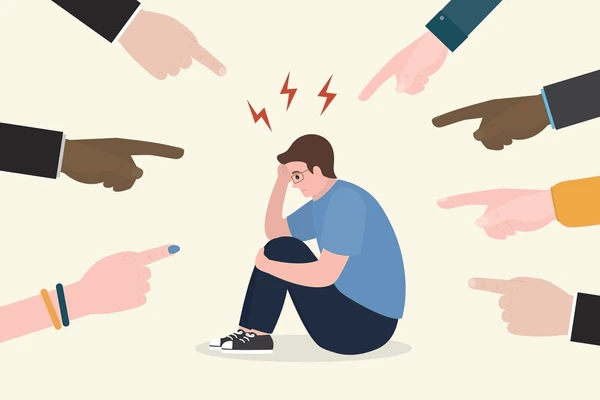
Workplace misconduct comes in many forms, and it’s not always easy to tell where one type ends and another begins. You might hear the terms victimisation, bullying, and harassment thrown around interchangeably, but they’re actually quite different. Understanding these distinctions isn’t just about semantics; it’s about knowing your rights and recognising when something’s genuinely wrong.
What is Victimisation?
Victimisation happens when someone is mistreated because they’ve complained about discrimination or supported someone else who has. Think of it as retaliation with a specific trigger.
Here’s what victimisation might look like:
- Being denied a promotion after reporting discriminatory behaviour
- Receiving unfavourable shifts because you supported a colleague’s complaint
- Being excluded from essential meetings after raising concerns about workplace inequality
The key thing about victimisation is that it’s always connected to a protected act, something you did that you had every right to do.
What is Bullying?
Bullying is repeated, unreasonable behaviour directed at someone that creates a risk to health and safety. It’s persistent, not very safe, and can be pretty subtle.
Common examples include:
- Constant criticism that’s unfair or unnecessarily harsh
- Being deliberately excluded from workplace activities
- Having your opinions dismissed or ridiculed in front of others
- Being set up to fail with impossible deadlines or contradictory instructions
What makes bullying tricky is that it doesn’t always involve protected characteristics. Someone can be bullied simply because the perpetrator doesn’t like them or enjoys exerting power.
What is Harassment?
Harassment is unwanted conduct related to a protected characteristic, like age, gender, race, disability, or sexual orientation, that violates someone’s dignity or creates an intimidating environment. When addressing victimisation at work policies, it’s essential to understand how harassment differs from other forms of mistreatment.
Harassment might involve:
- Offensive jokes or comments about someone’s religion or ethnicity
- Unwanted physical contact or inappropriate sexual remarks
- Display of offensive materials that target a particular group
- Intrusive questions about someone’s personal life related to a protected characteristic
Unlike bullying, harassment is always connected to who you are, not just what you’ve done or how someone feels about you.
Understanding the Differences
So where do the lines blur? Sometimes an incident can tick multiple boxes. Someone might harass you, then victimise you for complaining about it. Or bullying behaviour might cross into harassment if it’s motivated by prejudice.
The distinctions matter because:
- Different laws apply to each type of misconduct
- Your employer has specific legal obligations depending on what’s happened
- The remedies available to you might vary
- Evidence requirements can differ
Know Your Rights
Whether you’re facing victimisation, bullying, or harassment, you don’t have to put up with it. Document everything, report it through proper channels, and don’t be afraid to seek external advice if your employer isn’t taking action. Understanding these differences empowers you to name what’s happening and take appropriate steps. Because at the end of the day, everyone deserves to work in an environment where they’re treated with dignity and respect.