Bloodborne pathogens pose real risks in healthcare settings. These risks appear during daily patient care tasks. Simple awareness helps prevent serious health issues.
Clear rules support safer work routines. Small actions can lower exposure chances. Ongoing learning keeps safety top of mind.
Read the section below to better understand bloodborne pathogens and stay protected.
What Bloodborne Pathogens Are and Why They Matter
Bloodborne pathogens are microorganisms found in human blood. They can cause serious diseases when transmitted. Common exposure happens through cuts or puncture wounds. Contact with infected fluids is another risk.
Healthcare workers face these risks during patient care. Even small lapses can lead to infection. Awareness helps reduce preventable exposure. Knowledge supports safer daily practices.
Common Sources of Exposure in Healthcare Settings
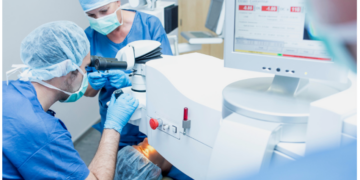
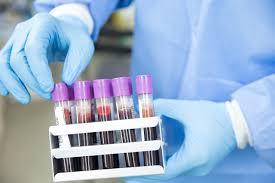
Exposure often occurs during injections or blood draws. Sharp instruments increase the risk of injury. Cleaning wounds can also cause contact with blood. Laboratory work presents additional exposure risks.
Emergency situations raise the chance of accidents. Poor disposal of sharps creates hidden dangers. Spills of bodily fluids require quick action. Controlled procedures help limit these risks.
How Bloodborne Pathogens Spread
Transmission usually happens through broken skin. Mucous membranes are another entry point. Accidental needle sticks are a major cause. Splashes to the eyes or mouth also matter. Open wounds increase vulnerability to infection.
Direct contact with blood raises concern. Understanding Bloodborne Pathogen (BBP) risks improves response and prevention. Clear protocols reduce the chance of spread.
Training and Workplace Awareness
Training builds confidence and correct behavior. Regular education keeps information current. Staff learn how to handle exposure incidents. Awareness promotes quick and calm responses.
Clear signage reinforces safety reminders. Open communication supports safer teamwork. Practice drills improve real world readiness. Informed teams reduce workplace injuries.
The Importance of Protective Equipment
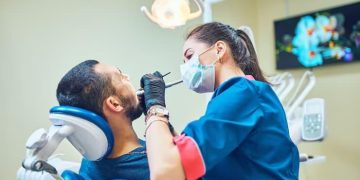
Protective equipment creates a barrier against exposure. Gloves are essential during patient contact. Masks protect against splashes and sprays. Gowns shield skin and clothing from fluids.
Eye protection guards sensitive areas. Proper use matters as much as availability. Equipment must fit correctly to work well. Consistent use lowers infection risk.
Responding to Exposure Incidents
Immediate action limits possible infection. Washing the area is a first step. Reporting incidents ensures proper follow up. Medical evaluation supports early treatment.
Documentation helps improve future safety measures. Emotional support is also important after exposure. Clear procedures reduce panic during incidents. Fast response protects long term health.
Prevention Strategies in Daily Healthcare Practice
Prevention starts with following standard safety procedures. Hand hygiene reduces the spread of infections. Safe handling of sharps prevents accidental injuries. Proper disposal limits contact with contaminated materials.
Protective equipment should be used at all times. Clean work areas reduce hidden exposure risks. Routine checks help maintain safe environments. Consistent habits protect both staff and patients.
Learn About Bloodborne Pathogens in the Healthcare Industry
Bloodborne pathogens remain a critical issue in healthcare environments. Understanding risks supports safer daily work. Simple habits make a meaningful difference. Protective steps reduce preventable exposure.
Ongoing training strengthens confidence and awareness. Prepared teams respond better to incidents. Strong knowledge leads to safer healthcare settings for everyone. For more topics, check our blog. We have more!