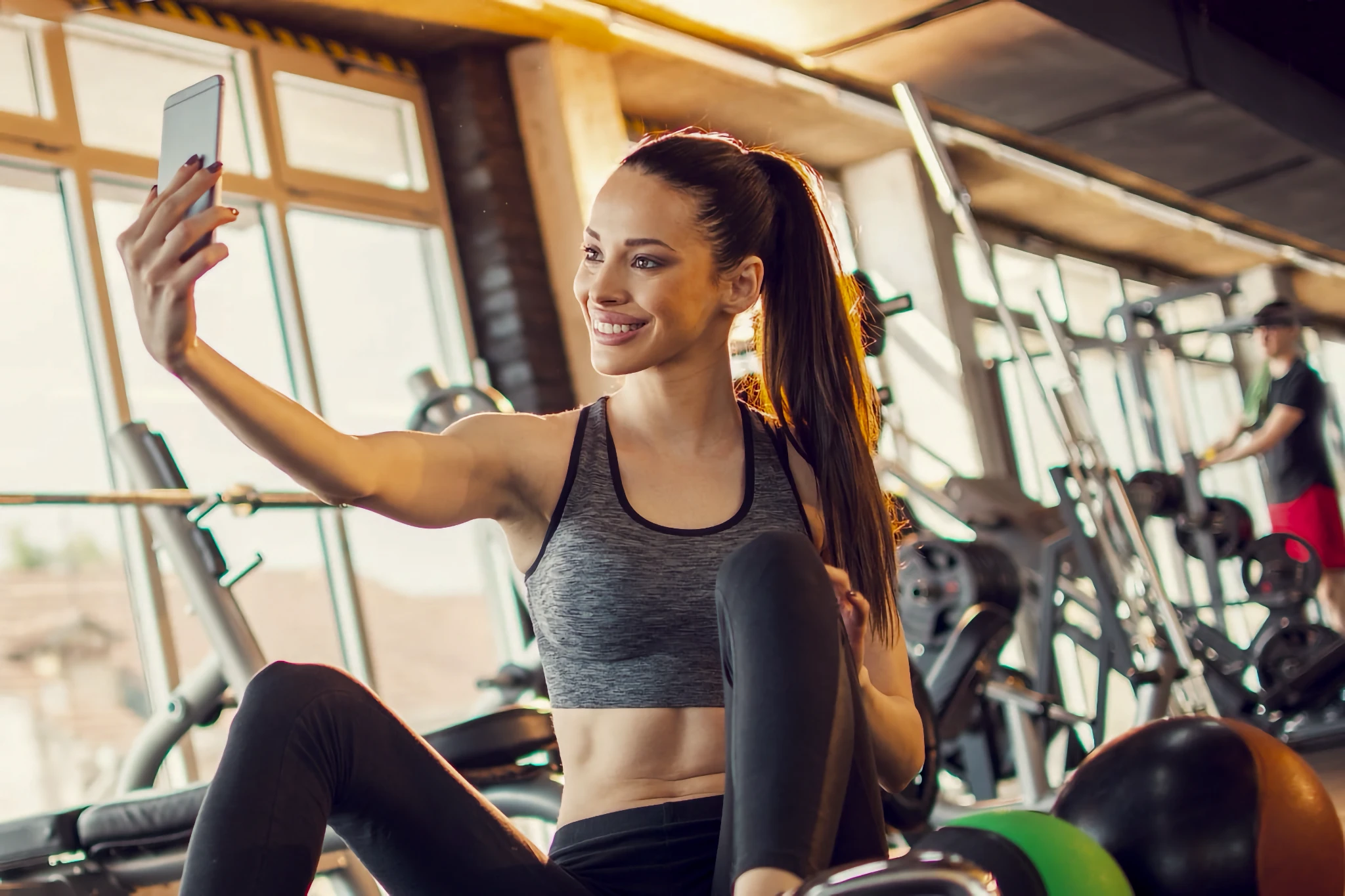
The culture of fitness has been changing unusually over the past ten years and the focal point of this change is the present-day fitness influencer. What started with personal trainers posting workout pictures on local gyms has become a worldwide digital ecosystem with creators who set trends and influence customer behavior and shape how millions of people go about their health. Within this fast-growing environment, the fitness influencers adopt captivating narratives, science-supported instructions, and smart internet development to expand your social footprint in assisting audiences live healthier lifestyles.
The Emergence of the Fitness Influencer
The initial group of fitness influencers came out of the conventional gym setting where professional trainers provided training programs and face-to-face training. Their social media activity started as a continuation of their everyday activity: they posted videos of forms, tracked their progress, and exchanged inspirational information. As time went on, audiences tended to turn to creators that provided them with a sense of credibility and relatability at the same time. This direct relationship provided a groundwork to a new breed of digital power.
Since the availability of fitness content increased, influencers changed the way they communicate with their audience. Intensive training plans, stretching exercises, nutrition plans, and workout challenges at home became part of a wider trend towards online fitness education. This was accelerated by global lockdowns when gym memberships were substituted within almost a day with digital-first health habits that became digitally native.
The Effect of Digital Platforms Reshaped Fitness
The transformation of the physical to the digital power.The current day fitness influencers are not limited by geography. Resources like YouTube, Instagram, Tik Tok and even the new wellness apps also enable professionals to contact citizens across continents. The most effective creators established multi-channel identities within the context of consistency, evidence-based content, and the possibility of simplifying complex health concepts.
Engaging content types
Fitness creators are using the various content formats to appeal to the audience preferences, such as:
- Quick learning short-form tutorials.
- Training Long-form materials with professional commentary.
- On-line training that mimics gym training.
- Personal transformation is tracked in story-based content.
Such formats reinforce interaction and create trust, which is one of the main elements of EEAT compliance.
The source of modern fitness influence of business
Fitness influencers have become genuine entrepreneurs. Their sources of revenue are much broader than platform monetization, and can encompass brand partnerships, paid workout plans, exclusive training subscriptions, and endorsements of wellness products. The difference between average and high-performing creators is that they embrace plausible practices. They are based on a verifiable knowledge, certified education background and open product advice.
The emergence of online fitness shopping also promotes differentiation of influencers. There are those specializing in strength and conditioning, and those specializing in corrective training, nutrition education, or hybrid wellness. It is becoming more common that audiences demand the influencer to show a level of expertise and have credible qualifications instead of trend-chasing content.
Gaining the Confidence of an Overcrowded Fitness Market
Knowledge and wisdom as the reference point.Influencers of fitness that are continually performing well are able to retain trust through providing the content based on research, personal experience, and applied in the real world. Having definite methodology, describing the reasons why a particular technique works, and cautioning against its misuse reinforces authority.
There is nothing like a real story that makes loyalty.Contemporary audiences appreciate transparency. The ones who talk about setbacks, report the long term progress, accept limitations, and openly converse with others will build stronger connections. One of the best differentiators of the wellness space is the authenticity.
Long-term strategy of community-building
Those influencers who foster dialogue, answer questions, and have positive communities achieve higher levels of loyalty. This two-way interaction is a representation of the real world relationships in coaching and is in line with the expectations of the audience towards a credible, trustworthy coach.
Fitness Influence of the Future
There is no indication of the digital transformation slowing down. The future of fitness influencers will work in an even data-driven environment with the development of AI-based training, wearable fitness, personalized workout analytics, and interactive coaching platforms. Experts who are flexible will be in the front line of industry innovation.
The innovators that combine evidence-based advice, customer-oriented information and responsible business will keep defining the way in which people all over the world take care of their health.
Conclusion
No longer a local gym personality, influencers have become digital authorities in the health culture on an enormous scale. The combination of skill, sincerity and business acumen characterizes their influence in new platforms. With the current growth of digital fitness, the influencers that value trust, evidence-based content, and meaningful interaction in the community will be on the frontline of the change.