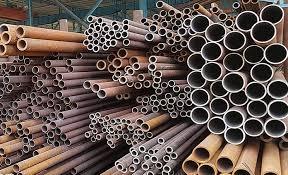
Pipes play a big role in many industries, from plumbing and construction to oil, gas, and chemical plants. Two of the most common types are carbon steel pipes and stainless steel pipes. They look similar at first glance, but they are very different in makeup, performance, cost, and where you should use them. In this article, we break down the main differences so you can choose the right one for your project.
You can find high-quality options from a trusted carbon steel pipe manufacturer.
What Is Carbon Steel Pipe?
Carbon steel pipe is made mainly from iron and carbon. The carbon content usually ranges from 0.05% to about 2.0%. Other small amounts of manganese, silicon, and sometimes sulfur or phosphorus are added to improve strength or workability.
There are different grades, like low carbon (mild steel), medium carbon, and high carbon. Most pipes for general use fall into the low to medium carbon range. These pipes are strong, easy to weld, and handle high pressure well. They come in seamless and welded forms, and you see them in sizes from small diameters to very large ones.
Because of the way they are made, carbon steel pipes are magnetic. They have a dull gray or black finish unless coated.
What Is Stainless Steel Pipe?
Stainless steel pipe gets its name from its ability to resist rust and corrosion. It is an alloy made from iron, at least 10.5% chromium, and often nickel, molybdenum, or other elements. The chromium forms a thin, invisible layer on the surface that protects the metal from rust.
Common grades for pipes include 304, 304L, 316, 316L, and duplex types. The “L” means low carbon, which helps when welding. Stainless steel pipes are non-magnetic in most common grades (like 304 and 316), though some like 430 are magnetic.
The surface looks shiny and silver, especially when polished. It stays clean-looking longer than carbon steel.
Composition and Chemical Differences
The biggest difference starts with the materials.
Carbon steel has mostly iron and carbon, with very little chromium (usually under 0.5%). Without enough chromium, it does not form a protective layer, so it rusts easily when exposed to water, air, or chemicals.
Stainless steel has high chromium content (10.5% or more). This creates a passive oxide film that repairs itself if scratched. Many grades also add nickel for extra corrosion resistance and molybdenum for better performance against acids or chlorides.
Because of these added elements, stainless steel costs more to produce.
Corrosion Resistance Differences
Corrosion resistance is where stainless steel stands out.
Carbon steel pipes rust quickly in wet, salty, or acidic conditions. To fight this, people often coat them with zinc (galvanized), paint, or epoxy. Even with coatings, the protection can wear off over time, especially if the pipe gets damaged.
Stainless steel resists rust much better. It handles moisture, chemicals, food products, and saltwater without needing extra coatings in most cases. Grade 316, for example, does well in marine environments or places with chloride exposure, while 304 works fine for indoor or less harsh conditions.
If your pipe will see water, steam, or chemicals for a long time, stainless is usually the safer choice.
Strength and Durability Differences
Both types are strong, but they behave differently.
Carbon steel has high tensile strength and can handle heavy pressure and mechanical stress. It is tough and does not crack easily under impact. For high-pressure oil and gas lines or structural supports, carbon steel is a common pick.
Stainless steel is also strong, but its strength varies by grade. Most stainless pipes have good yield strength, but they are not quite as hard as high-carbon steel grades. However, stainless holds up better over years because it does not lose thickness from rust.
In cold temperatures, some stainless grades stay tough, while certain carbon steels can become brittle.
Temperature Resistance Differences
Temperature affects both materials.
Carbon steel works well from very low temperatures up to about 800°F (425°C) in many cases. Above that, it can lose strength or oxidize faster unless special alloys are used.
Stainless steel handles a wider range. Some grades resist heat up to 1500°F (815°C) or more without losing too much strength. It also performs better at cryogenic (very low) temperatures in certain alloys. This makes stainless a top choice for boilers, heat exchangers, and food processing where heat or cold is involved.
Cost Differences
Cost is a clear difference.
Carbon steel pipes are much cheaper to buy and produce. The raw materials cost less, and manufacturing is simpler. This makes carbon steel the go-to option when budget is tight and conditions are not too harsh.
Stainless steel costs 3 to 5 times more (sometimes even higher for special grades). The extra alloys like nickel and chromium drive up the price. You pay more upfront, but you may save money later because stainless needs less maintenance and replacement.
Applications and Common Uses
Each type fits different jobs.
Carbon steel pipes are used a lot in:
- Oil and gas transport lines
- Water supply and drainage (often coated)
- Structural frameworks and scaffolding
- Fire sprinkler systems
- General industrial piping where pressure is high but corrosion risk is low
Stainless steel pipes go into:
- Food and beverage processing (hygienic and easy to clean)
- Chemical and pharmaceutical plants
- Marine and offshore platforms
- Medical equipment and hospitals
- Heat exchangers and boilers
- Architectural uses where looks matter
If hygiene, long life, or rust resistance is important, stainless wins. For basic strength on a budget, carbon steel is hard to beat.
Maintenance and Lifespan Differences
Maintenance needs vary.
Carbon steel requires regular checks for rust, especially in exposed areas. Coatings need touch-ups or reapplication. If rust starts, it can spread fast and weaken the pipe.
Stainless steel needs much less care. A simple wipe-down keeps it looking good. It rarely rusts under normal use, so lifespan is longer in corrosive settings. This reduces downtime and repair costs over many years.
Weldability and Fabrication Differences
Both can be welded, but stainless needs more care.
Carbon steel welds easily with standard methods. It forgives small mistakes and does not need special shielding gas in many cases.
Stainless steel welding requires skill to avoid cracking or losing corrosion resistance. You often use special filler rods, low heat, and sometimes purging gas inside the pipe. Poor welding can create weak spots or rust-prone areas.
Fabrication like bending or threading is similar for both, but stainless can work-harden (get harder when bent), which sometimes makes it trickier.
How to Choose Between Carbon Steel and Stainless Steel
Ask yourself these questions:
- Will the pipe face water, chemicals, or salt? → Choose stainless.
- Is high pressure or structural strength the main need with low corrosion risk? → Carbon steel is fine.
- Does budget matter a lot? → Carbon steel saves money.
- Is long-term low maintenance important? → Stainless pays off over time.
- Does the job need to meet food, medical, or clean standards? → Stainless is required.
Always check project codes, pressure ratings, and material specs before buying.
Conclusion
Carbon steel and stainless steel pipes serve different purposes. Carbon steel gives you strong, affordable pipes that work great in many industrial and structural jobs, but it needs protection from rust. Stainless steel costs more but offers excellent corrosion resistance, longer life, and cleaner looks for demanding or hygienic applications.
Knowing these differences helps you pick the pipe that fits your needs, stays safe, and saves money in the long run. Match the material to the environment, pressure, and budget for the best results.