As healthcare continues to evolve with technology, at-home blood tests have emerged as a game-changer, making it easier than ever to keep tabs on one’s health. These tests offer a glimpse into your body’s inner workings without a visit to the doctor’s office. It’s a revolution redefining personal health management and making it more accessible to everyone. Understanding the impact of these tests on preventive health and personalized care is critical. Below, we delve into the multifaceted benefits of this up-and-coming health trend.
Personalized Health Insights: Empowering Self-Care With At-Home Blood Tests
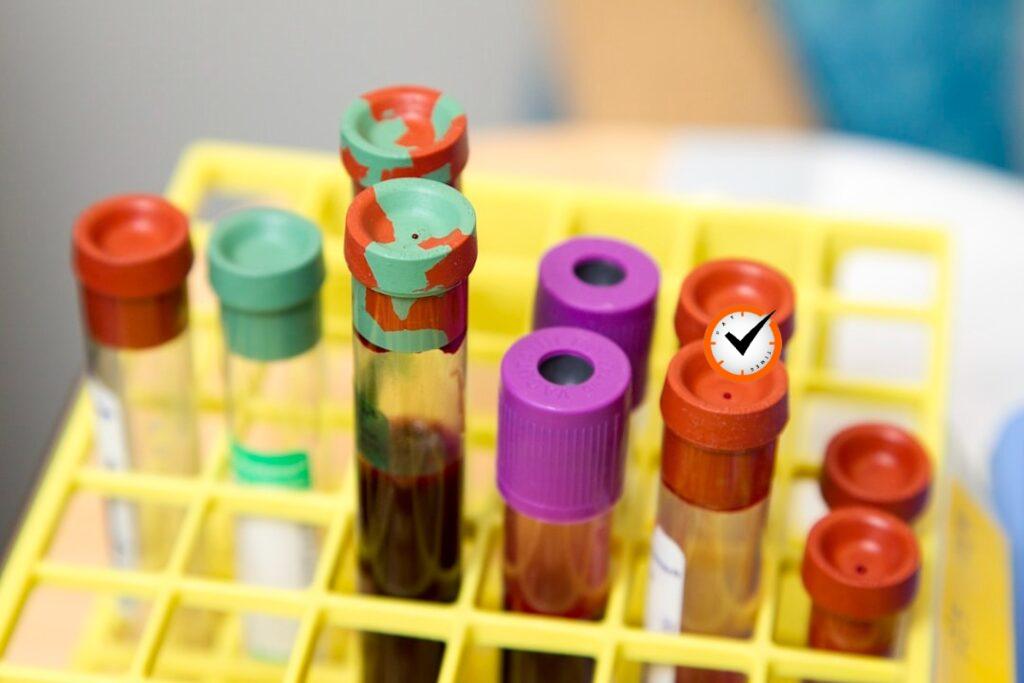
Blood test at home empowers users with personalized health insights that were once difficult to access. By understanding individual baselines and tracking changes over time, a person can tailor their diet, exercise, and lifestyle to their unique body requirements. This level of personalization is at the heart of modern healthcare.
In the reports generated from these tests, you often find comprehensive breakdowns and explanations that go a long way toward educating the recipient. Empowered with knowledge about their bodies, individuals can make more informed decisions about their health, from nutrition to stress management.
The beauty of this model lies in its ability to cater to the needs of both the healthy seeking optimization and those managing chronic illnesses. Blood test kits can therefore serve as a tool for preventive self-care as well as a vital component of ongoing medical care.
Unpacking the Convenience: Blood Testing From the Comfort of Your Home
The primary allure of at-home blood testing is, unquestionably, its convenience. The once-daunting task of scheduling an appointment, waiting in line, and navigating a busy day has been simplified into a few easy steps. Order the test, follow the instructions for sample collection, and send it off to the lab.
By avoiding clinic visits, uncomfortable waiting rooms, and potential exposure to sick patients, at-home blood testing is reshaping the user experience. The sectors of the population vulnerable to infections or those with compromised immune systems stand to benefit immensely from this shift, ensuring their safety while maintaining diligence over their health.
The convenience factor extends beyond the physical to the psychological. Some individuals experience anxiety or phobias surrounding medical environments; at-home tests alleviate these fears and stresses. This subtle yet significant benefit can increase compliance and regularity in blood testing for those who might otherwise avoid it.
Early Detection and Prevention: The Health Benefits of Regular Blood Monitoring

Early detection of medical conditions is a pivotal component of preventive health, and regular home blood monitoring significantly facilitates this. It often enables the identification of markers that signal the onset of disease before overt symptoms appear. Staying ahead of potential health issues is crucial in managing and potentially reversing them.
For example, tracking cholesterol levels, blood glucose, and various hormones can provide early warnings of heart disease, diabetes, and thyroid disorders, respectively. As part of a holistic health strategy, incorporating at-home blood testing into regular check-ups can create a comprehensive understanding of your health status.
Additionally, the feedback loop created by frequent monitoring reinforces healthy behavior. When individuals can see the direct impact of lifestyle changes, such as improved diet or increased exercise, on their blood test results, it serves as a strong motivator to continue those practices.
Streamlining Health Management: How At-Home Testing Integrates With Telemedicine
The evolution of at-home blood testing dovetails with the rise of telemedicine to streamline health management. Patients can now consult their physicians via telehealth platforms and supplement these consultations with real-time data from their at-home tests. It embodies a continuum of care that is both efficient and patient-centric.
This integration promotes collaborative health strategies, wherein healthcare providers can monitor patient progress and suggest adjustments without delay. It mitigates the limitations posed by distance and accessibility, enabling continuous, adaptable care.
Overall, at-home blood testing magnifies the principle of patient empowerment and paves the way for a more intimate understanding of one’s health. Enabling proactive care and seamless integration with telemedicine reflects a future in which health management is increasingly in the hands of the individual. Its promise for improving health outcomes and overall quality of life is a horizon that we are steadily advancing towards, one test at a time.