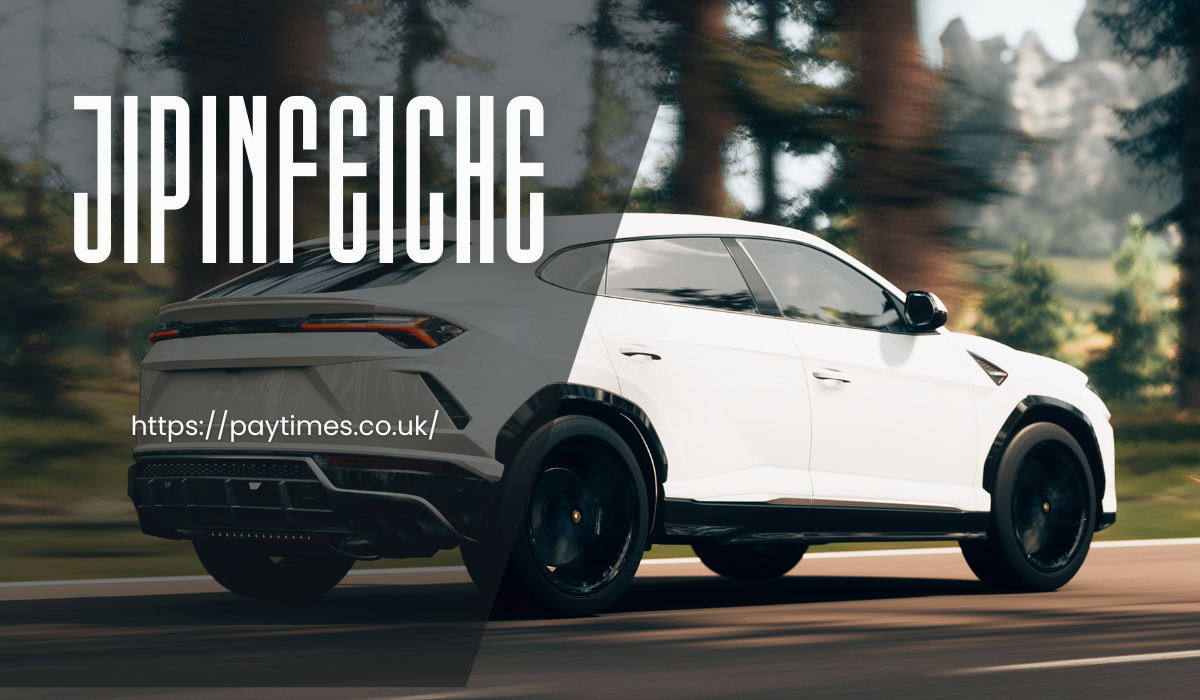
The world of automotive innovation is constantly evolving. Among the most intriguing developments in recent years is the emergence of jipinfeiche—a term that is capturing attention among car enthusiasts, environmentalists, and tech-forward thinkers alike. This isn’t just another vehicle. It’s a representation of how design, efficiency, and cutting-edge technology can converge to redefine how we move.
But what exactly is jipinfeiche? And why is it becoming such a game-changer?
Let’s dive deep into this concept, unpacking its origin, purpose, and potential impact on modern transportation, lifestyle, and global sustainability.
What is Jipinfeiche?
Jipinfeiche is a hybrid innovation blending sleek design, smart tech, and eco-conscious engineering. Though still relatively new in public discourse, it encapsulates a type of futuristic transport that integrates intelligent systems with high-performance engineering.
Unlike conventional vehicles, jipinfeiche isn’t restricted to a single powertrain or traditional automotive configuration. It’s more of a conceptual framework—a new philosophy in motion that prioritizes adaptability, sustainability, and responsiveness.
At its core, a jipinfeiche is:
- Highly efficient, often blending electric or hybrid power sources.
- Smart, with integrated autonomous systems, learning algorithms, and adaptive navigation.
- Design-forward, featuring minimalist yet bold aesthetics.
- User-centered, enhancing comfort, control, and environmental awareness.
The Philosophy Behind Jipinfeiche
What makes jipinfeiche so different isn’t just the machine itself, but the thinking behind it. It represents a departure from the car-centric, fuel-hungry past toward a new mode of thinking—where transportation serves people and the planet.
Key principles behind the jipinfeiche movement:
- Sustainability over speed.
- Connection over isolation.
- Intuition over complexity.
This shift from “how fast can we go?” to “how thoughtfully can we move?” redefines what a vehicle should be.
Origins and Cultural Roots
Interestingly, the term jipinfeiche has sparked debates over its etymology. Some link it to a blend of East Asian design philosophy and modern urban mobility ideals. Others view it as a fabricated concept—designed to disrupt traditional linguistic categories around transport.
Wherever its linguistic roots lie, its cultural impact is clear: jipinfeiche is more than just a trend; it’s a symbol of future-living values.
Materials and Build
What sets the jipinfeiche apart from traditional cars is not just its software, but also its physical makeup.
Materials used in jipinfeiche models often include:
- Graphene-enhanced composites for ultra-lightweight strength.
- Bio-sourced plastics and vegan interior trims.
- Self-healing polymers in exterior paint and paneling.
- Solar-adaptive glass, adjusting opacity based on sunlight levels.
This selection of materials not only reduces weight and emissions but also embodies a commitment to long-term environmental stewardship.
Smart Integration: AI and the Jipinfeiche
If the human body is powered by a brain and a nervous system, then jipinfeiche is no different. Its “brain” is a powerful AI-based controller that learns from the driver—or in autonomous settings, from its own environmental sensors.
Core capabilities include:
- Predictive driving behavior, adjusting based on traffic patterns and driver history.
- Voice-commanded controls that adapt to tone and intent.
- Route optimization algorithms that minimize energy use.
- Intelligent cabin comfort, adjusting light, temperature, and sound based on mood cues.
What distinguishes jipinfeiche from other smart cars is its adaptive learning—the longer it is used, the more personalized and intelligent it becomes.
The Emotional Experience of Driving a Jipinfeiche
Driving a jipinfeiche isn’t just about going from one point to another. It’s a visceral, sensory-rich journey. Unlike traditional vehicles that isolate drivers from the environment, jipinfeiche enhances the connection.
Imagine this:
- A dashboard that responds to your touch like skin.
- Surround sound systems that harmonize with your heartbeat.
- A cabin that inhales and exhales with you, syncing climate and air purity to your rhythm.
It’s not just movement—it’s presence. Jipinfeiche doesn’t just take you places. It makes you feel the journey.
A Silent Revolution in Urban Mobility
Urban planners are already beginning to anticipate the integration of jipinfeiche into smart cities. Thanks to its adaptability and quiet operation, it’s ideal for future-ready urban zones.
Some of the ways cities are embracing this technology include:
- Dedicated jipinfeiche lanes for optimized flow.
- Urban charging stations powered by wind and solar.
- Modular parking hubs that fold jipinfeiche units for storage.
- Smart traffic systems that communicate directly with the vehicle.
With air quality and congestion becoming growing concerns, the jipinfeiche fits the blueprint for the cities of tomorrow.
The Ethical Dimensions
One of the most compelling aspects of jipinfeiche is its alignment with ethical consumption.
Traditional car manufacturing has long been criticized for:
- High carbon emissions.
- Labor exploitation.
- Obsolescence-driven design.
Jipinfeiche challenges that with:
- Low-emission manufacturing cycles.
- Transparency in material sourcing.
- Upgradable systems to reduce waste.
This positions jipinfeiche not just as a technological advancement, but as a moral alternative to the outdated auto industry paradigms.
Challenges and Criticisms
No innovation is without its hurdles, and jipinfeiche is no exception. Some common concerns include:
- High initial costs, especially with next-gen materials.
- Battery longevity and recycling challenges.
- Regulatory gaps in recognizing its hybrid status.
- Public unfamiliarity with its interface and function.
Despite these obstacles, the community behind jipinfeiche—engineers, designers, thinkers—is rapidly adapting, evolving the model toward broader accessibility and resilience.
The Global Movement
Though initially concentrated in urban innovation hubs, the jipinfeiche movement is expanding across continents.
In Europe, pilot programs are integrating jipinfeiche models into public fleets. In North America, startup accelerators are funding research into jipinfeiche-compatible infrastructure. In Asia, design institutes are fusing traditional craftsmanship with the modern jipinfeiche aesthetic.
It’s becoming a global design language.
This is not just a product. It’s a cultural wave of reimagining what movement means in the 21st century.
Personalization and Ownership
Another standout feature of jipinfeiche is its hyper-customizability. Users can:
- Select modular interior themes, from Zen-inspired minimalism to kinetic color palettes.
- Program behavioral profiles that determine acceleration, braking, and navigation styles.
- Install mood-responsive lighting and scent modules.
- Set eco-goals, tracked in real time for social sharing.
This turns every jipinfeiche into a living extension of its owner—a vehicle that reflects identity, intention, and emotion.
Final Thoughts
Jipinfeiche is more than a vehicle. It’s an ecosystem of ideas—a confluence of innovation, sustainability, and emotion. In a time when climate change, urban overload, and digital detachment challenge us daily, jipinfeiche offers a hopeful counterpoint. A way of moving through the world that is both powerful and gentle, efficient and expressive.
The roads of the future aren’t paved just with asphalt. They are imagined with creativity, intelligence, and care. And in that imagined world, jipinfeiche leads the way—quietly, intelligently, and beautifully.