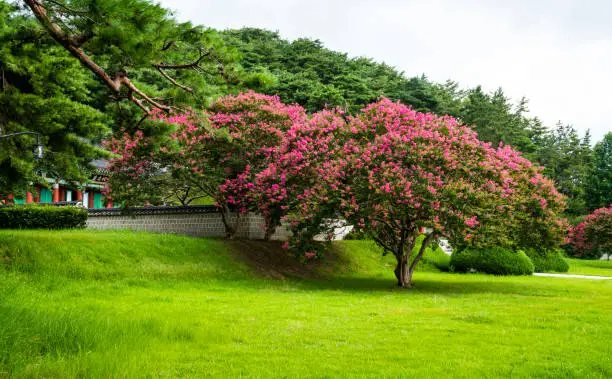
Crepe myrtles are a beloved choice for garden enthusiasts due to their stunning summer blooms, vibrant foliage, and attractive bark. These versatile trees or shrubs provide long-lasting color, making them perfect for a variety of landscape designs, from borders to focal points. They are particularly renowned for their resilience, low maintenance, and adaptability, making them an excellent option for both novice and experienced gardeners.
If you’re considering incorporating crepe myrtles for your garden, it’s important to understand their specific growing needs. Whether you want to plant them for their beauty, as privacy screens, or for adding structure, following best practices for growth and care will lead to healthier plants and more spectacular blooms.
This guide will provide detailed insights into growing and maintaining crepe myrtles so you can enjoy their vibrant beauty effortlessly.
1. Selecting the Right Variety
When it comes to growing crepe myrtles, the first step is selecting the right variety for your space. Crepe myrtles come in various sizes, colors, and blooming patterns, so know your landscape and requirements before making a decision. Types like the Natchez crepe myrtle grow tall and feature white blooms, while others like the Zuni and Acoma varieties are more compact and ideal for smaller gardens.
Research the characteristics of each variety to understand its mature size, bloom colors, and growth habit. Some varieties are better suited for containers, while others thrive in garden beds. Choosing the right type will set the foundation for successful growth, ensuring your landscape stays harmonious and visually appealing.
2. Ideal Planting Conditions
Crepe myrtles thrive best when planted in well-draining soil with plenty of sunlight. They prefer full sun conditions, ideally receiving at least 6 hours of direct sunlight daily. Before planting, prepare your soil by removing weeds and organic matter. Testing soil pH is also a good practice; crepe myrtles thrive in soil with a pH between 6.0 and 7.0.
When planting, dig a hole that is about twice the width of the root ball but not deeper than the ball itself. Position your crepe myrtle so that it sits at the same level it was growing in the pot. Adding organic matter can improve soil quality, promoting healthy root growth. Proper planting conditions will ensure a strong start for your tree and enhance its longevity.
3. Watering for Success
Proper watering is crucial for establishing crepe myrtles, especially during their first year. After planting, provide regular watering to help the tree adapt to its new environment. In the initial weeks, water deeply at least once a week to ensure the soil remains moist but not waterlogged.
Once established, crepe myrtles are drought-tolerant but will appreciate supplemental watering during prolonged dry spells. Monitor the soil moisture and adjust your watering schedule based on rainfall and temperature conditions. Using mulch around the base can help retain moisture and keep the roots cool. Consistent watering practices will foster healthy growth and blooming.
4. Fertilizing to Encourage Blooms
Regular fertilization can enhance the growth and blooming of your crepe myrtles. Using a balanced, slow-release fertilizer specifically formulated for flowering plants will provide the essential nutrients these trees need. Apply fertilizer in early spring, just before new growth begins, to kickstart the blooming process.
It’s important to follow the manufacturer’s guidelines regarding application rates. Over-fertilization can lead to excessive growth at the expense of blooms, or even root burn. Using a fertilizer designed for crepe myrtles can ensure that your plants remain healthy and vibrant, producing beautiful blooms throughout the summer months.
5. Pruning for Shape and Health
Pruning is an essential maintenance task that encourages healthy growth and blooming in crepe myrtles. The best time to prune is in late winter or early spring before new growth begins. While some gardeners may prefer a more natural look, light pruning can keep crepe myrtles looking tidy and promote air circulation.
When pruning, remove any dead, damaged, or crossing branches. Be mindful of the tree’s overall shape and goal to enhance its natural form. Crepe myrtles can also benefit from thinning out crowded areas to allow for better light penetration. Using clean, sharp tools will help prevent infections, ensuring your tree stays healthy.
6. Pest and Disease Management
Crepe myrtles are relatively resilient but can still be susceptible to specific pests and diseases. Aphids, spider mites, and sooty mold are common issues that may affect these trees. Regular inspections of the leaves and stems can help catch infestations early.
If discovered early enough, most pests can be managed using insecticidal soap or neem oil. Additionally, maintaining good garden hygiene by removing fallen leaves and debris will help reduce the risk of infections. Ensuring your crepe myrtle is healthy through proper care will bolster its resilience against potential pest issues.
7. Seasonal Care and Maintenance
Caring for crepe myrtles involves seasonal considerations to enhance their growth and blooming effects. In autumn, after leaves have fallen, it’s beneficial to clear away debris and check for any remaining pests. This seasonal cleanup prepares your tree for winter.
In winter, especially in colder climates, consider protecting young trees from frost by covering the base with mulch. As spring approaches, keep an eye out for new growth, indicating the time to start watering, fertilizing, and pruning. Adjust your care routine as the seasons change, ensuring your crepe myrtles are robust and prepared to flourish throughout the year.
8. Ideal Location in the Landscape
Positioning your crepe myrtles correctly in your landscape can enhance their beauty and growth. These trees can serve as eye-catching focal points, beautiful privacy screens, or be incorporated into mixed borders. When planning the layout, consider the mature size of the trees to avoid overcrowding.
Planting crepe myrtles in well-drained areas with adequate space for air circulation is essential. They can be beautifully showcased near patios or along driveways where their blooms can be easily appreciated. Thoughtful placement will not only make your garden visually stunning but also help maintain the tree’s health.
9. Enjoying the Blooms
The main draw of crepe myrtles is, of course, their stunning blooms. The tree produces abundant flower clusters in summer, which can last for months. Take time to enjoy the flowering period by incorporating seating areas nearby where you can admire their beauty.
Different varieties bloom at varying times, so consider planting several types to extend your blooming season. Regular maintenance and care will ensure that your trees continue to produce breathtaking flowers year after year. With the right care, you’ll have a garden that is not just beautiful during the blooming season but supports your outdoor lifestyle for many years.
Frequently Asked Questions (FAQs)
When is the best time to prune crepe myrtles?
Late winter or early spring is the best time to prune crepe myrtles before new growth begins.
How much sunlight do crepe myrtles need?
Crepe myrtles thrive in full sun, requiring at least 6 hours of direct sunlight for optimal blooms and health.
Do crepe myrtles require a lot of watering?
While they are drought-tolerant once established, young trees should be watered regularly to encourage strong root growth.
What should I do about pests on my crepe myrtles?
Regularly inspect for pests and treat infestations using insecticidal soap or neem oil as needed.
Will I see flowers in the first year after planting?
Crepe myrtles may produce flowers in the first year, but optimal flowering usually occurs in subsequent years as the tree matures.
Conclusion
Growing and maintaining crepe myrtles can be a gratifying experience that yields stunning visual rewards in your landscape. By understanding the planting requirements, care techniques, and seasonal adjustments needed for these trees, you will create a thriving garden that celebrates their beauty.
Whether you seek magnificent blooms or a unique focal point, crepe myrtles deliver on all fronts. Embrace the joys of caring for these remarkable trees, and watch your garden transform over the seasons into a vibrant, living tapestry of color and life. Happy gardening!