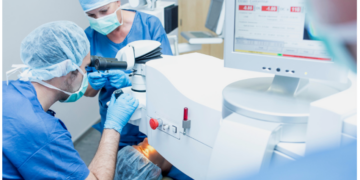
Complex oncology cases involve cancers that are advanced, aggressive, multi-organ, or unresponsive to standard treatments. These cases may also include patients with other medical conditions that limit treatment choices. Tumor behavior, genetic variations, and previous treatment history can create additional challenges. Understanding how these factors interact helps specialists design safer and more effective strategies. Complexity increases when decisions must balance disease control with protecting the patient’s overall health and quality of life.
Importance Of Detailed Diagnosis And Staging
Accurate diagnosis and careful staging are essential for managing complex cancers. Doctors use imaging techniques, biopsies, and blood tests to determine tumor size, spread, and biological characteristics. Staging helps identify whether the disease is localized, regionally advanced, or metastatic. This information guides every major decision, including the choice of therapy and the urgency of treatment.
Role Of Multidisciplinary Tumor Boards
Multidisciplinary tumor boards bring together oncologists, surgeons, radiologists, pathologists, and other specialists to evaluate complex cases. Each expert contributes insights based on their discipline. These discussions improve accuracy in diagnosis and help build well-rounded treatment plans. Tumor boards also ensure that rare or unusual cases receive comprehensive review.
Personalized Treatment Planning For Complex Cancers
Personalized treatment involves tailoring therapy based on tumor type, stage, patient health, and biological markers. Doctors consider treatment combinations such as surgery, chemotherapy, radiation, targeted therapy, or immunotherapy. Complex cases may require plans that adjust over time depending on how the disease responds. Personalization ensures that treatment aligns with the patient’s needs, goals, and tolerance levels. This approach also helps reduce unnecessary side effects.
How Genetic And Molecular Testing Guide Care
Genetic and molecular testing identifies specific mutations that influence tumor behavior and response to treatment. These tests reveal whether targeted therapies or immunotherapies may be more effective than standard options. Tumors with unique genetic signatures often require customized treatment strategies. Molecular insights help predict how aggressive the cancer is and whether it may become resistant to certain therapies.
Managing Cancers With Multiple Organ Involvement
When cancer spreads to multiple organs, management becomes more challenging. Doctors must evaluate the extent of metastasis and determine which areas require urgent attention. Some organs may tolerate aggressive treatment better than others. In such cases, doctors often use a combination of systemic therapy and localized treatment to control symptoms and slow progression.
Handling Rare Or Aggressive Tumor Types
Rare or aggressive cancers often lack established treatment guidelines, requiring doctors to rely on emerging research, clinical trials, or advanced therapies. These tumors may grow quickly or behave unpredictably, making frequent monitoring essential. Specialists use specialized imaging, molecular testing, and expert consultations to understand how best to approach them.
Coordinating Care For Patients With Other Health Conditions
Many patients with complex cancers also live with conditions such as diabetes, heart disease, or kidney problems. These conditions influence treatment choices and can affect how the body tolerates therapy. Oncologists work closely with other specialists to create integrated care plans. Coordination ensures that medications do not interact harmfully and that supportive treatments are available when needed.
Advanced Therapies Used In Complex Oncology Cases
Advanced treatments such as immunotherapy, targeted therapy, radiosurgery, and precision radiation play an important role in managing complex cancers. These options allow for more focused and effective treatment with fewer side effects than traditional methods. Clinical trials may also provide access to innovative therapies not yet widely available. Advanced treatments expand possibilities for patients who may have a limited response to standard approaches.
Delhi has established itself as a major center for advanced oncology services, offering cutting-edge diagnostics, multidisciplinary care, and access to modern treatment technologies. Many individuals seek a cancer doctor in Delhi for complex cases because the city’s specialists are experienced in handling advanced, rare, or multi-organ cancers.
Long-Term Follow-Up And Adjusting Treatment When Needed
Complex cancer management continues well beyond the initial treatment phase. Regular follow-up visits allow doctors to monitor for recurrence, track treatment response, and adjust medications or therapies as needed. Imaging, blood tests, and physical examinations help detect issues early. Treatment plans may evolve as the disease changes or new therapies become available.