Starting kindergarten is one of the most memorable milestones in a child’s early years. For many families, it is a moment filled with excitement, curiosity, and a little uncertainty about what lies ahead. With Singapore offering a wide variety of kindergarten options, parents often wonder whether their child is ready to step confidently into a structured learning environment. While schools offer well-designed programmes, the foundation truly begins at home through simple, practical exercises that strengthen essential skills.
Building Skills That Support Kindergarten Success
Practical exercises provide a grounded way for children to develop the abilities they will regularly use in kindergarten. These activities do not require specialised materials or long preparation time. Instead, they focus on supporting motor skills, emotional readiness, early literacy, and independence, highlighted by educators and early childhood specialists.
To begin, motor skills can be nurtured through simple household interactions. Pouring water into a cup, buttoning shirts, drawing shapes, or assembling blocks help refine hand–eye coordination and strengthen fine motor control. These skills contribute to classroom activities such as writing, using scissors, or manipulating learning tools.
Language development benefits from quick, meaningful interactions. Conversations during meals, storytelling before bed, and playful back-and-forth dialogue help children express themselves more confidently. Verbal engagement with adults improves vocabulary retention and listening skills, and helps children thrive in group discussions and reading sessions.
Math readiness grows through routine exposure to numbers and patterns. Counting steps during a walk, noticing shapes in the environment, comparing object sizes, or sorting toys teach foundational concepts without feeling like formal lessons. These hands-on experiences make numerical awareness a natural part of daily life.
Emotional readiness is another essential element. Kindergarten environments introduce children to social dynamics such as sharing, cooperating, and resolving small conflicts. Practising turn-taking games, validating emotions during tricky moments, and modelling empathy give children tools to navigate classroom interactions with greater ease.
Practical exercises provide continuity. When families engage in small, consistent actions each day, the transition to kindergarten becomes smoother because children recognise familiar patterns of behaviour, expectations, and communication styles.
Why Home-Based Activities Make a Strong Impact
Kindergarten curricula in Singapore typically focus on holistic development, including cognitive, social, and physical growth. Home-based activities complement these objectives by reinforcing learning in familiar surroundings where children feel secure. Children who experience a balance of structured and spontaneous play tend to adjust better when placed in classroom environments that blend academic and creative activities.
Parents often worry about teaching children too much too early. However, practical exercises provide scaffolding that supports self-confidence and natural curiosity. These habits contribute to independence, where children are expected to follow routines and handle small tasks on their own.
Moreover, home-based activities strengthen the parent–child relationship. When children feel supported, they carry that sense of security into new settings, making it easier to explore, participate, and adapt to challenges.
How to Integrate Practical Exercises Into Daily Routines
The easiest way to integrate practical exercises is by weaving them into existing routines. For instance, morning routines may include simple tasks such as organising their bag or putting on their clothes independently, which align directly with kindergarten expectations.
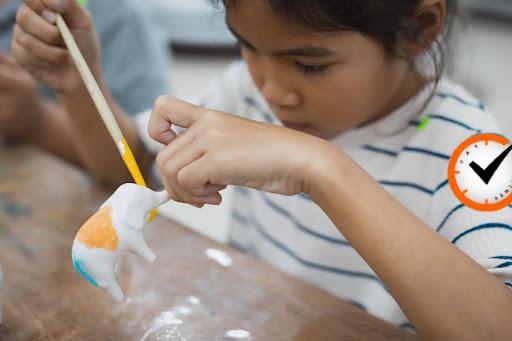
Playtime can be a gateway to learning. Building block towers enhances spatial awareness, drawing develops creativity, and pretend play strengthens imagination and social understanding. These activities mirror many classroom experiences, helping children become more comfortable with structured group activities.
Outdoor time provides additional opportunities. Walking outdoors encourages observation, movement, and sensory exploration. Talking about what they see helps children develop descriptive language and attention to detail.
Consistency matters. Rather than scheduling long sessions, short and frequent interactions keep learning natural and enjoyable. Parents may be surprised by how quickly children pick up skills when they are incorporated effortlessly into daily life.
The Role of Early Exposure to Routines and Group Settings
Playdates, family gatherings, and community activities introduce children to shared spaces and social etiquette. These experiences mirror classroom routines, where children must wait their turn, listen to instructions, and participate respectfully.
Morning rituals, mealtime patterns, and bedtime structures give children a sense of order. Predictable routines enhance children’s emotional security and improve their ability to handle change.
Regular reading sessions foster imagination, vocabulary growth, and comprehension. Many kindergarten programmes in Singapore encourage early literacy, making reading together at home a valuable bonding and learning opportunity.
Kindergarten Readiness Thrives on Small, Consistent Actions
Preparing a child for kindergarten does not require elaborate plans or specialised tools. Simple, practical exercises create a solid developmental foundation that aligns with the skills children will use daily in school. Families help young learners enter kindergarten with confidence and enthusiasm. With these daily habits in place, your child can step into kindergarten ready to explore, learn, and grow.
If you’re preparing for the coming school year, start with simple activities that spark joy and confidence. Visit Best Picks to learn more.