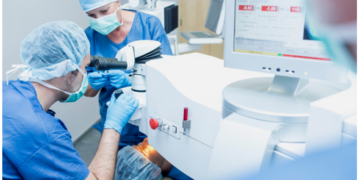
Knee replacement procedures are designed to relieve pain and restore function when joint damage becomes severe. A total knee replacement involves resurfacing the entire joint, while a partial knee replacement addresses only the damaged compartment. The choice depends on the extent of arthritis, knee stability, and symptoms. Both surgeries aim to improve mobility but differ in recovery, invasiveness, and long-term expectations.
How Knee Joint Damage Determines The Choice
The degree and location of joint damage play a major role in selecting the right procedure. If arthritis affects only one compartment of the knee, partial replacement may be suitable. When all compartments show significant wear, total replacement becomes necessary. Doctors evaluate cartilage loss, bone condition, and ligament stability through physical exams and imaging.
Who Is An Ideal Candidate For Partial Knee Replacement?
Candidates for partial knee replacement typically have isolated damage limited to the inner, outer, or front compartment of the knee. They should have stable ligaments, good range of motion, and minimal deformity. Patients who are active, younger, or seeking faster recovery may benefit from this option. Partial replacement preserves more of the natural joint, which often results in more natural movement.
When Total Knee Replacement Becomes Necessary
Total knee replacement is recommended when arthritis affects multiple compartments, causing widespread pain and stiffness. Patients who experience difficulty walking, climbing stairs, or performing daily tasks may need full joint replacement. Severe deformity, ligament instability, and advanced cartilage loss also make total replacement the preferred choice. This procedure provides comprehensive relief by resurfacing the entire joint and restoring alignment.
Comparing Surgical Techniques And Recovery Timelines
Partial knee replacement typically involves smaller incisions and less disruption to surrounding tissues, allowing for faster recovery. Total knee replacement requires more extensive resurfacing, resulting in a longer healing period. Both procedures use modern surgical techniques, including minimally invasive approaches and advanced instrumentation. Recovery timelines vary depending on age, health, and rehabilitation commitment. Physical therapy is crucial for restoring strength, flexibility, and gait mechanics after either surgery.
Benefits And Limitations Of Partial Knee Replacement
Partial replacement offers advantages such as quicker recovery, less postoperative pain, and a more natural knee feel. The procedure preserves healthy bone and ligaments, which supports better joint mechanics.
Some limitations include:
- Not suitable for widespread arthritis
- Potential need for future revision
- Higher risk of progression in untreated compartments
Benefits And Limitations Of Total Knee Replacement
Total knee replacement provides complete pain relief for individuals with severe joint degeneration. It is highly effective for long-standing arthritis and offers reliable long-term outcomes. Modern implants are durable and designed to withstand daily activities.
Limitations include:
- Longer recovery time
- Higher impact on surrounding tissues
- Potential restrictions in high-impact activities
Impact Of Age, Lifestyle, And Activity Level
Age and activity level influence the best surgical option. Younger, active patients may prefer partial replacement for its quicker recovery and natural joint movement. Older individuals or those with widespread arthritis often benefit more from a total replacement. Lifestyle factors such as occupation, sports involvement, and daily movement patterns guide decision-making.
Role Of Imaging And Diagnostic Evaluation
Accurate imaging is essential for determining the right type of knee replacement. X-rays show bone alignment and joint space narrowing, while MRI scans help assess cartilage and ligament health. Detailed imaging helps surgeons understand the pattern and severity of joint damage. Diagnostic evaluation also includes gait analysis and functional assessments. These findings help specialists design a surgical plan that matches the patient’s anatomical needs.
Ahmedabad has become a preferred destination for advanced orthopedic care due to its specialized surgeons, modern facilities, and comprehensive rehabilitation support. Patients seeking expert guidance often explore Knee Replacement Surgery in Ahmedabad, where experienced teams use updated technology and personalized treatment plans.
Risks And Long-Term Outcomes For Both Procedures
Both partial and total knee replacements carry risks such as infection, blood clots, implant loosening, or stiffness. Long-term outcomes depend on implant quality, surgical accuracy, and postoperative rehabilitation. Partial replacements may require revision if arthritis progresses, while total replacements offer broader coverage but may limit certain activities.